Written by Kristen Apolline Castillo
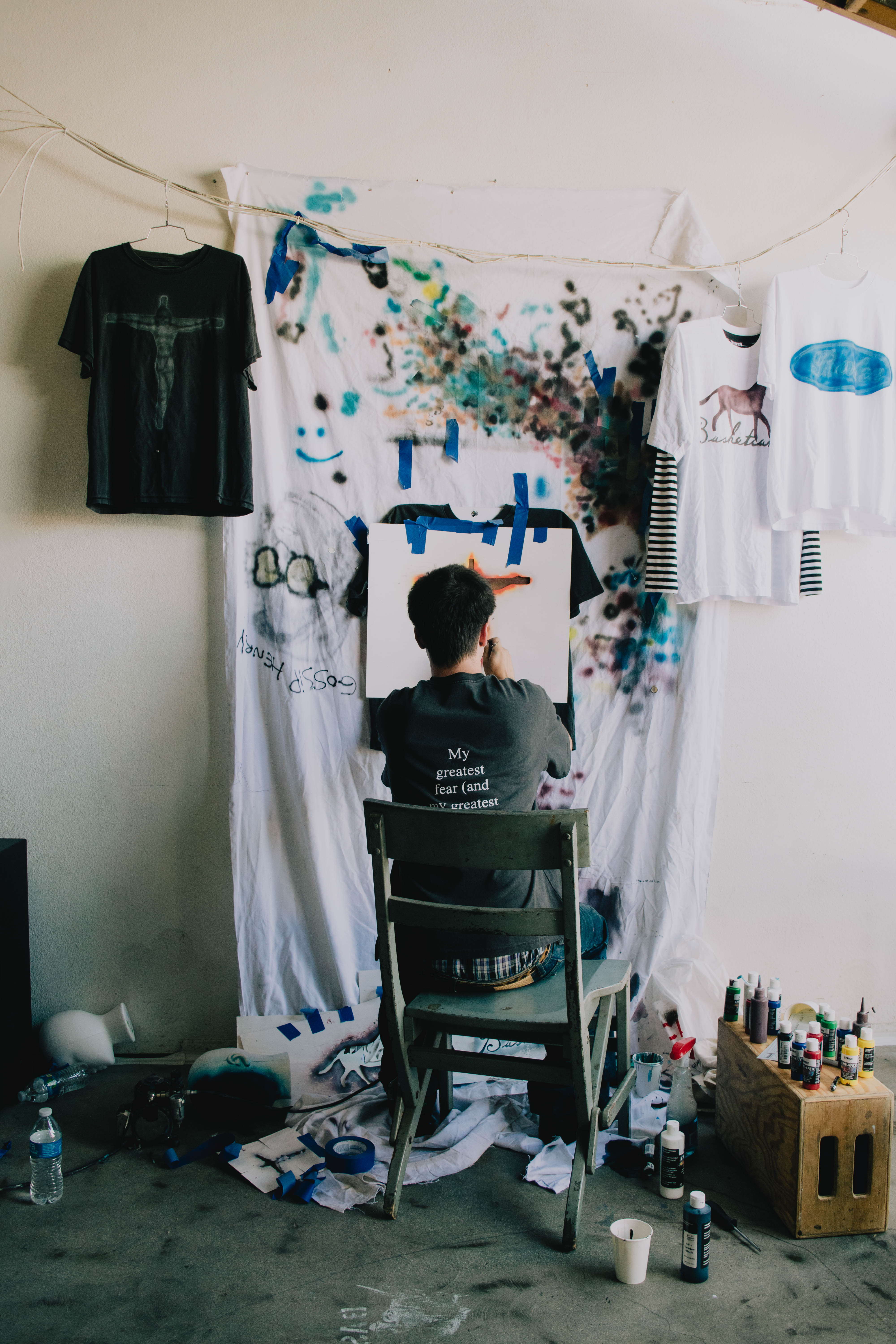
When Zachary Kinninger conceptualized BASKETCASE in 2016, he had no intention of it becoming a full-time career. What started as a casual attempt to materialize his interest in vintage clothing, tattoo art, graphic design and love for Hip-Hop and sneaker culture, grew into a beloved brand with a subculture cult following.
“I didn't really have the chops early on at a design level that I really felt proud of,” Kinninger said. “But I felt like I could present it in a gritty sort of soulful, nostalgic way that at least would make a simple t-shirt feel cool.”
The brand officially launched in 2018 during Kinninger last year studying at Vanguard University with the hope of adding more experience to his resume that would launch him into the industry he admired greatly.
“I didn't ever launch (BASKETCASE) with the intention of it being my career path. To be honest… I really like clothes and graphics so that was my way to start. I had the mindset of ‘I'm just trying to have fun and see where this takes me, putting my passion into it,’” Kinninger said.
Kinninger started off with direct garment screen printing on grey Gildan hoodies made to order and sold for only $35, a $5 profit margin. Keeping the price low during the genesis of the brand was important because all Kinninger wanted was for his friends to be able to buy his work, he said. All the profit he made from these sales went directly into building the brand that operated out of his dorm room.
“It was not enough money for me to live on, but enough money for me to not give up on it,” Kinninger said. “I was still putting all the money back into it.”
To help fund this project, Kinninger continued to work part-time jobs as a server, driving for UBER, doing graphic design for real estate companies and “just doing whatever (he) could do to support keeping this project alive.”
Now 7 years into the business, Kinninger has cultivated an online presence for BASKETCASE using “anti-marketing” campaigns, attracting droves of followers to the brand’s social media pages and, most importantly, in-person events and spaces.
BASKETCASE saw its most significant growth at the start of 2020, right before the COVID-19 pandemic. Kinninger would print his designs on vintage jeans, t-shirts and hoodies and release a collection of garments monthly via Instagram. This skeleton of a plan would then become the basis for their release format today, broadcasting to over 283,000 followers.
Now, in a post-COVID society, Kinninger can expand the reach to in-person drop events that allow him to interact one-on-one with his followers and receive feedback in real time.
Balancing the pressures of a large audience and business forces Kinninger to learn more about the industry and what works best for BASKETCASE.
“Oftentimes when you get creatively involved in something, it’s highly emotional,” he said. “Marketing is not that… We’re analyzing what it means to distribute this. That's a little more scientific. There is a best way to present a hoodie, there is a best way to chop up an interview… It must be balanced.”
The biggest obstacle Kinninger has faced is “just wanting to stop,” he said. There were times when he had reconsidered the work he had put into the brand and doubted his motivation to continue building the brand.
“Sometimes you will self-sabotage and you will fucking want to not do things, and you got to deal with that. You got to figure out how to deal with that. Those are real things,” Kinninger said.
Despite having hiccups, Kinninger finds himself falling back on the BASKETCASE team for support during rough patches. Through their common goal of success and long-term brand presence, the team has built a professional dynamic and friendship. Kinninger says this relationship helps immensely in the business because there is an understanding of objectivity for skills while also maintaining the humanity of the brand.
“There's a comfort level and there's loyalty, which is a beautiful thing,” Kinninger said. “It's really helpful to have people (who) are there with their primary instinct and the motivation is to work together.”
Together, the BASKETCASE team cultivates a holistic image that reflects Kinninger’s interests, which are the basis of the brand. All individuals involved in the production have their unique skills that enhance the BASKETCASE experience– some working on designs, others focusing on advertising. After seven years, Kinninger finds that the best method of creating products for his brand is to not have a method at all.
“I don't have a set process, in fact. Just repeat,” Kinninger said. “The more that I've tried to set up a process, the more that I become too self-aware. At the end of the day, I just want to love the shit and I want the energy to sort of move from me to the people that are buying it.”
While many brands have to adapt to a constantly changing trend cycle, Kinninger says that it is not of concern to him and the evolution of BASKETCASE. Instead, the brand aims to work towards maintaining the longevity of designs.
“If we're going to go in this direction, do we feel like we're comfortable doing this for two years? … Would we release this over and over again?,” Kinninger said.
On top of fostering a long-term signature style, Kinninger is also concerned with ethically sourcing and utilizing materials to their fullest extent. Kinninger hates waste, and it “irritates (him) at a core level.” To help alleviate the brand's contribution to fast fashion and textile waste, the BASKETCASE team focuses on one project at a time. For example, if they are planning a pop-up event, they will only focus on planning the event rather than juggling production for another collection drop.
“For us, sustainability is like a top-down ethos,” Kinninger said. “We try to bring it to everything, and we are doing our best. Has it helped us grow? I think you grow slower, but it's more secure. You build a stronger base, and then it's easier to grow taller.”
That strong base that started in Orange County has grown into a significant player in modern streetwear, attracting audiences in key fashion cities including New York, Tokyo and Los Angeles. By staying true to the mindset of reducing waste and creating timeless pieces, BASKETCASE has expanded the brand in collaborations with Kanye West, Adidas, New Balance, Jean Dawson, Geese, A24 Films and many more— a testament to their vast range in audiences worldwide.
Despite a huge online presence that reaches foreign corners of the world, BASKETCASE’s main office is in Costa Mesa. While many mainstream streetwear brands have storefronts in Los Angeles, Kinninger chose to stay loyal to Orange County.
“I made friends here that don't care about the success of my career in fashion,” Kinninger said. “In a lot of ways, my intention to stay here on a personal level was I just like, I don't know, I just feel loyal, like I'm very grateful to have those friendships.”
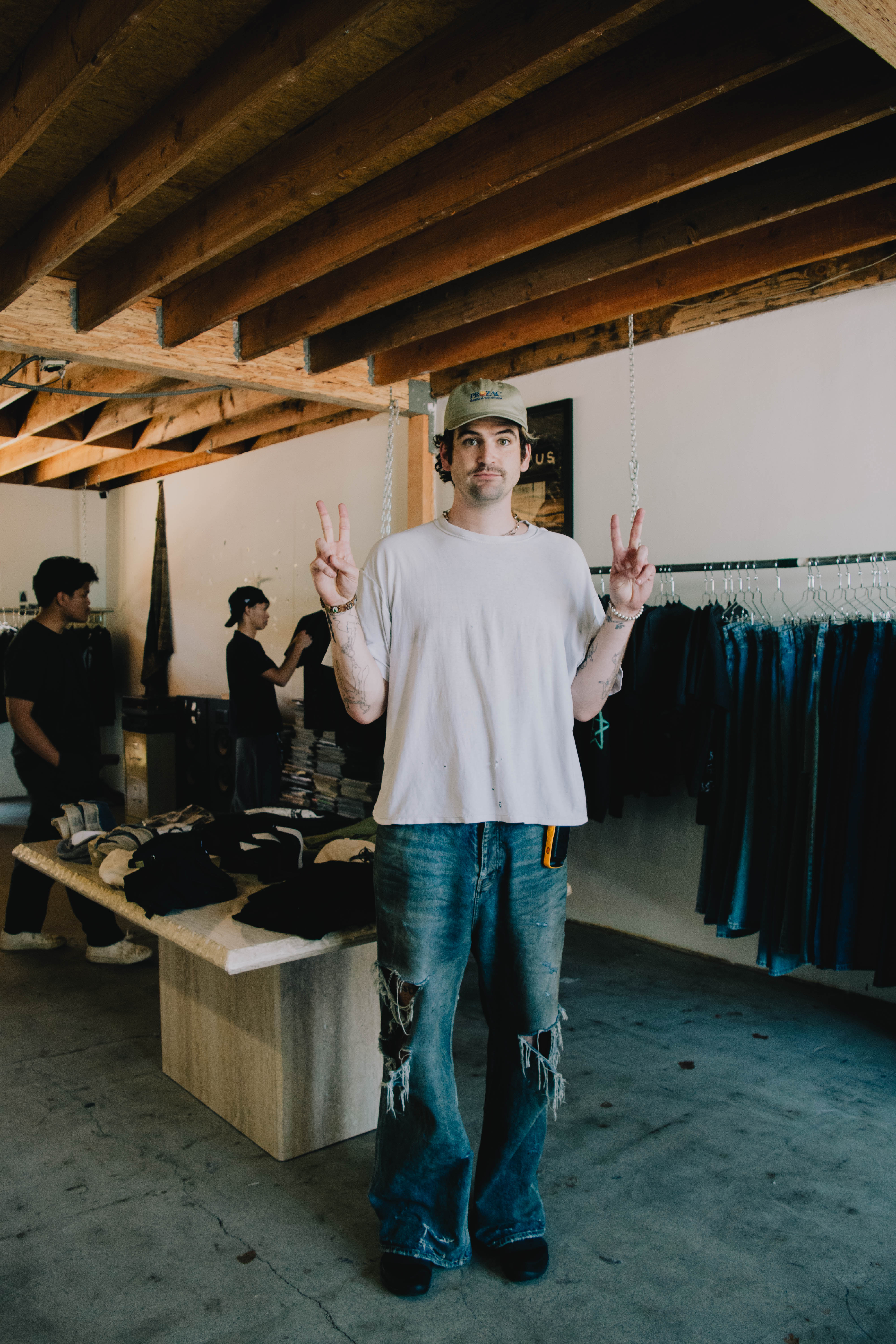
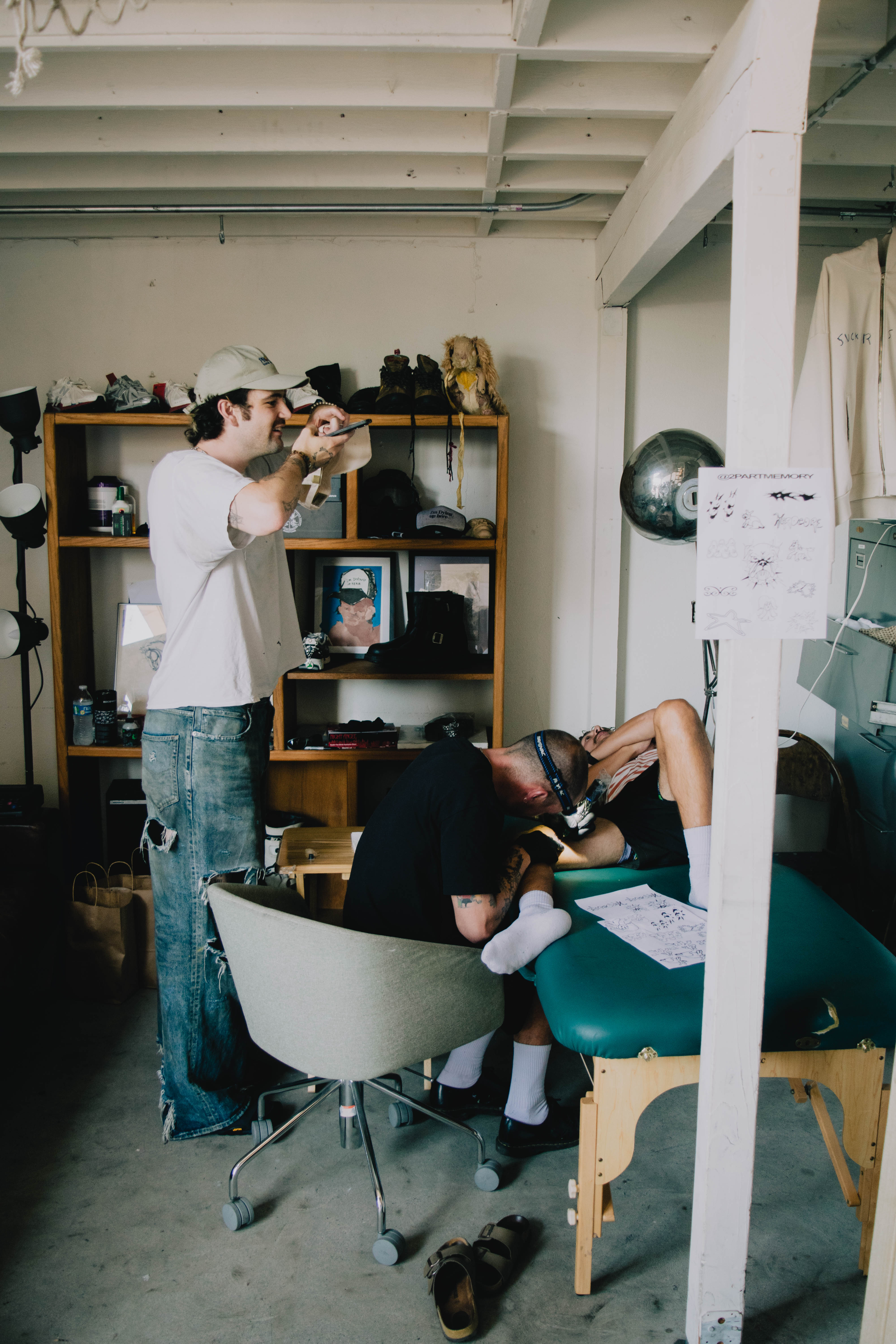
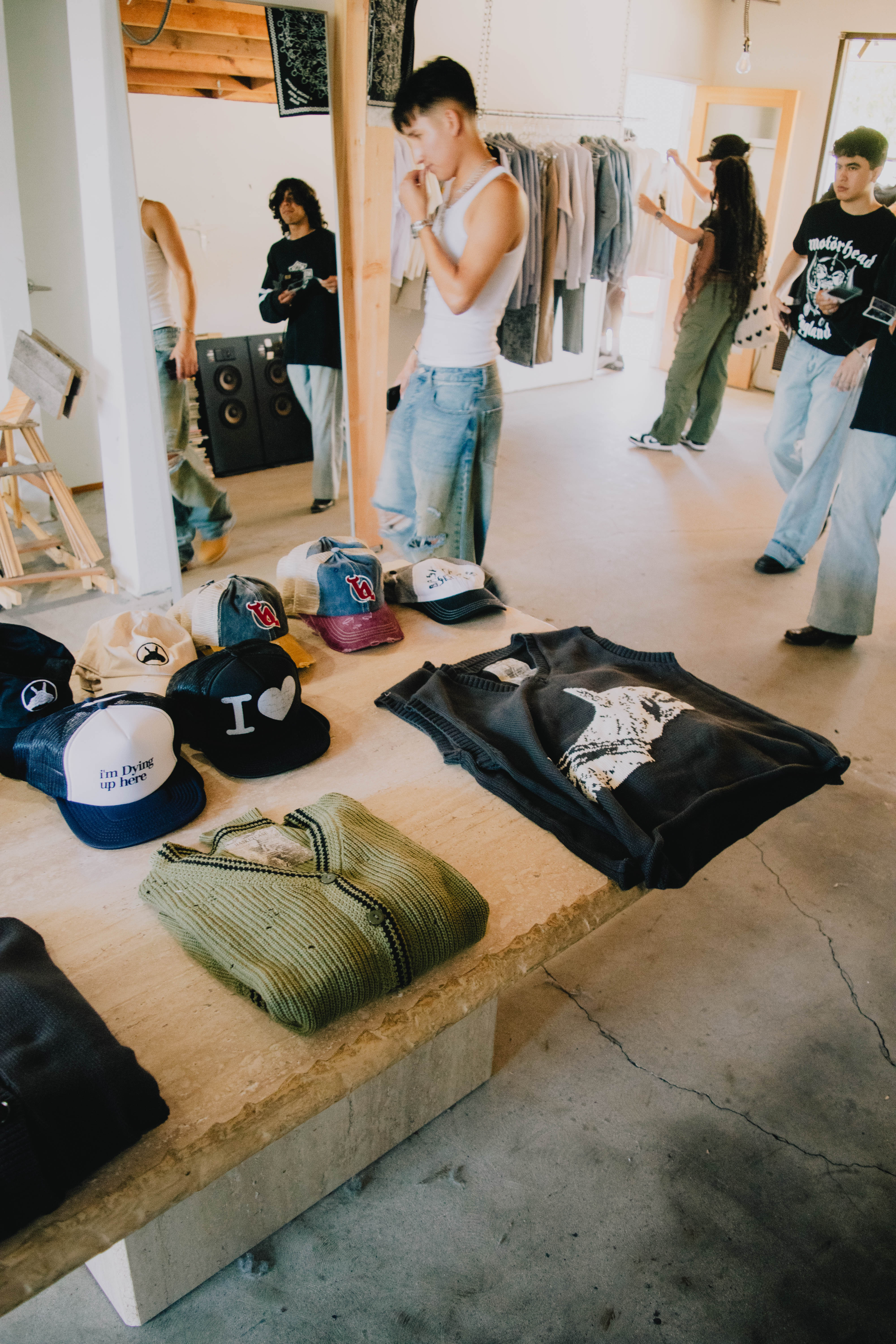
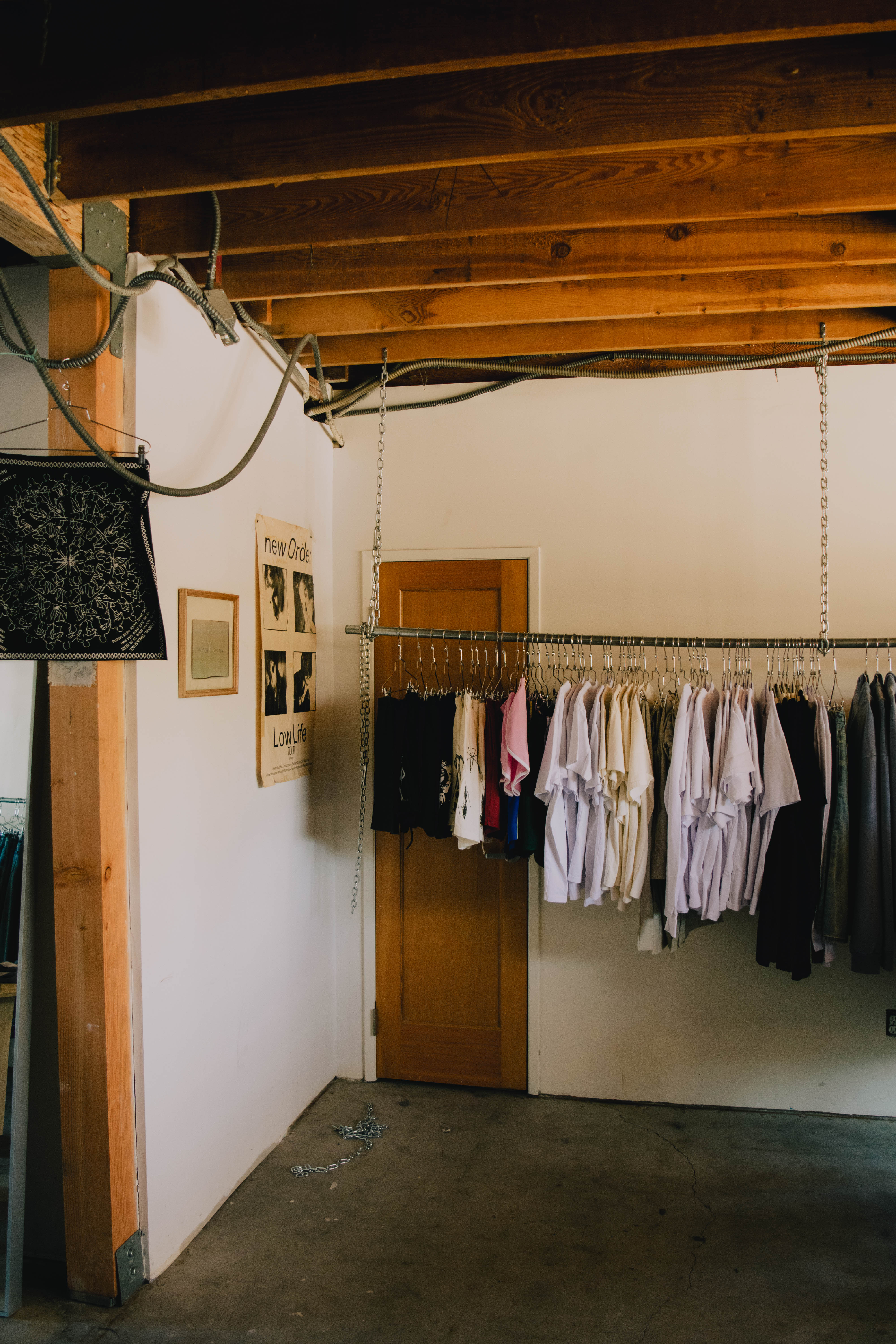
HENCH in Costa Mesa is the brand’s official storefront that acts as a home base for the BASKETCASE where they house in-store exclusives, restock past season garments and curate upcoming releases. The space functions as a physical manifestation of the brand’s identity, but also serves as the lab for Kinninger and his team to explore their influences for future collections.
Although BASKETCASE’s main space is in Costa Mesa, Kinninger does not identify it as solely an OC or LA brand, but rather a brand that connects with multiple communities that can resonate with the art.
Kinninger sees the potential of a booming culture in Orange County and delegates that responsibility to the up-and-coming brands and social groups. He sees many talented locals in his day-to-day that are inspired by the same skate brands he grew up loving.
“Basketcase is not a region to me at the same time. So I would be remiss to tell you that,” he said. “I love Costa Mesa, I love Tokyo, I love East LA. I'm grateful. I'm indebted. (But) if you're building a local community, you want to invite people locally, no matter where you are.”